Home Essentials: The Complete Guide to a Comfortable, Organized Home
Create a more comfortable and functional home with a practical guide to everyday essentials. Explore kitchen, bedroom, bathroom, cleaning, organization, safety, storage, and maintenance basics, plus smart ways to prioritize purchases and avoid unnecessary clutter.
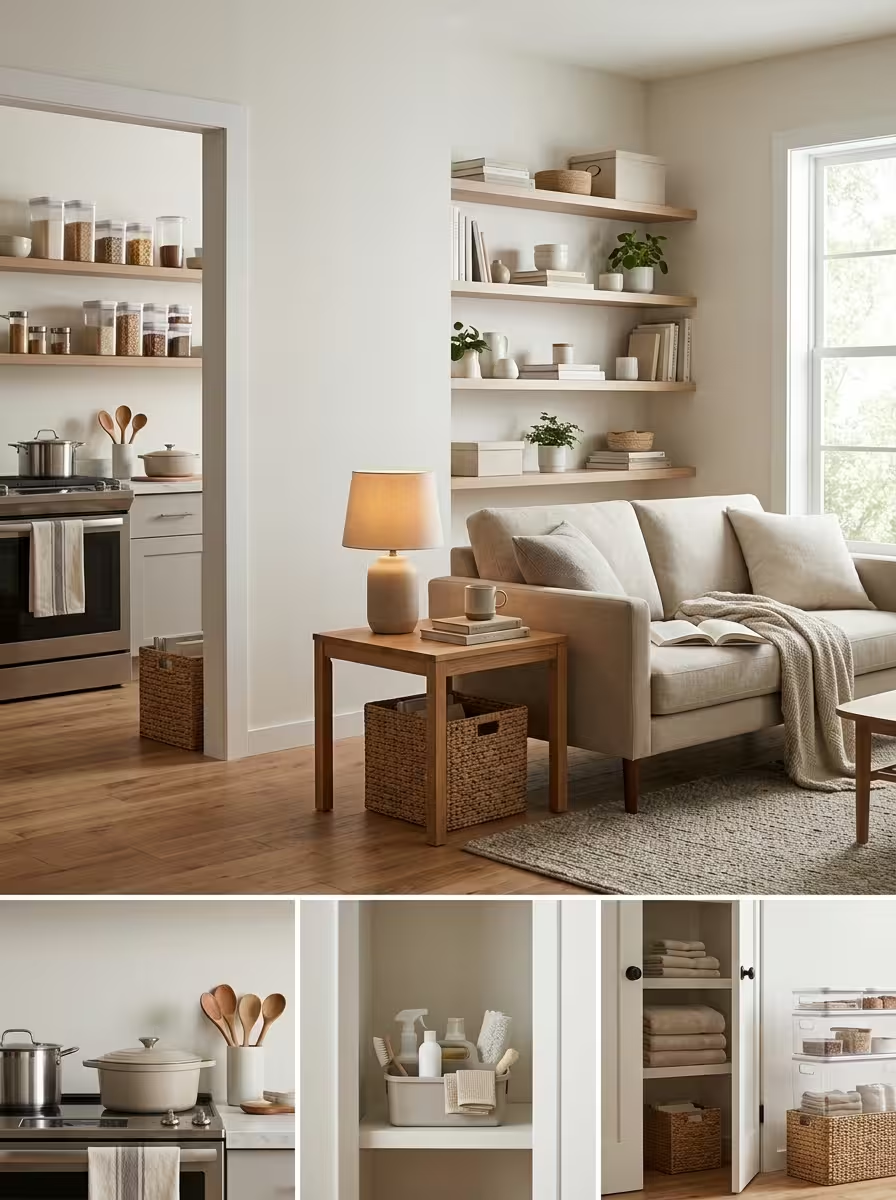
A comfortable home does not need to be filled with hundreds of products. The right home essentials are the items that make everyday routines easier, keep important spaces functional, support cleanliness and organization, and help you handle common household needs without unnecessary clutter.
Whether you are moving into your first apartment, setting up a new house, refreshing an existing space, or simply trying to make your home more practical, it helps to separate true essentials from items that are simply nice to have.
This guide covers the most useful home essentials by category, including kitchen basics, bedroom necessities, bathroom supplies, cleaning products, laundry items, organization tools, safety equipment, basic tools, lighting, and everyday household supplies. It also explains how to prioritize purchases so you can build a functional home without buying everything at once.
What Are Home Essentials?
Home essentials are the practical items that support the basic functions of a household. They can include products used for cooking, cleaning, sleeping, storing belongings, doing laundry, maintaining the home, and staying prepared for everyday situations.
What counts as essential will vary from one household to another. A person living in a small apartment may need very different items from a family in a large suburban home. Your cooking habits, lifestyle, climate, available storage, pets, children, work routine, and budget can all change what belongs on your personal home essentials checklist.
For that reason, the best approach is not to buy every item on a generic list. Start with the products that solve immediate needs and add optional items as you discover how you actually use your space.
How to Prioritize Your Home Essentials
When setting up a home, it can be tempting to purchase furniture, décor, gadgets, organizers, and accessories all at once. That approach can quickly become expensive and may leave you with products that do not fit your lifestyle.
A more practical strategy is to divide purchases into three groups:
- Immediate essentials: Items you need for basic daily living, cleaning, cooking, sleeping, and personal care.
- Useful upgrades: Items that improve convenience, organization, comfort, or efficiency.
- Optional extras: Decorative pieces, specialty gadgets, and products that are useful only for certain lifestyles.
This simple system helps you spend your budget on the things that matter most before moving on to less urgent purchases.
Kitchen Home Essentials
The kitchen is one of the most frequently used areas of a home, so a small collection of versatile tools can make a significant difference. You do not necessarily need a large cookware set or dozens of specialized gadgets.
Basic Cookware
A practical kitchen usually benefits from a few dependable cookware pieces that can handle everyday meals. Depending on your cooking habits, useful basics may include a skillet, saucepan, larger pot, baking sheet, and oven-safe baking dish.
Choose sizes based on the number of people in your household and the meals you commonly prepare. Buying cookware that matches your actual routine is generally more useful than collecting specialized pieces that rarely leave the cabinet.
Food Preparation Essentials
Everyday meal preparation can usually be handled with a relatively small collection of tools. Useful basics include a cutting board, chef's knife, paring knife, measuring cups, measuring spoons, mixing bowls, colander, vegetable peeler, can opener, spatula, cooking spoon, whisk, and kitchen tongs.
Kitchen scissors can also be surprisingly useful for opening packaging, trimming herbs, cutting food, and handling small preparation tasks.
Kitchen Storage
Food storage containers help keep leftovers organized and can make meal preparation easier. Choose containers that stack efficiently and are suitable for the way you store food.
Simple drawer organizers, shelf risers, pantry bins, and spice organizers can also help make frequently used items easier to locate. However, measure your cabinets and drawers before buying organizers. An organizer is only useful if it fits the space properly.
Everyday Kitchen Cleaning
Keep basic cleaning supplies within easy reach. Dish soap, sponges or scrubbers, microfiber cloths, a dish rack or drying mat, trash bags, and a kitchen-safe multipurpose cleaner can cover many everyday tasks.
Paper towels can be convenient, but reusable cloths may reduce ongoing household waste and expense for routine cleaning.
Bedroom Essentials
Your bedroom should support rest, storage, and a comfortable daily routine. You do not need elaborate furniture to create a functional sleeping space.
The most important bedroom essentials usually include a bed frame or appropriate sleeping surface, mattress, pillows, sheets, blankets or a comforter, and suitable window coverings where needed.
A nightstand or small bedside surface can provide a convenient place for a lamp, phone, glasses, books, or other nighttime necessities.
Bedding Basics
Having at least one clean backup sheet set can make laundry days much easier. Choose bedding based on your climate, preferred sleeping temperature, and care routine.
Before purchasing multiple sets, check the mattress size and depth requirements carefully. A fitted sheet that does not match the mattress dimensions can be frustrating even when the fabric itself feels comfortable.
Bedroom Organization
Hangers, drawer organizers, under-bed storage, closet shelves, baskets, and laundry hampers can help keep clothing and personal belongings under control.
However, organization should follow your storage needs rather than create more containers than you actually require. Measure closets, drawers, and available floor space before purchasing large storage systems.
Bathroom Essentials
The bathroom requires a combination of personal-care supplies, cleaning products, towels, and practical accessories.
Basic bathroom essentials can include bath towels, hand towels, washcloths, bath mats, soap, toothbrush storage, toilet paper, a trash can, and appropriate shower accessories.
If your bathroom requires a shower curtain, remember to check whether you need a liner, hooks, or a compatible curtain rod.
Bathroom Cleaning and Maintenance
A toilet brush, plunger, microfiber cloths, bathroom cleaner, scrub brush, and small cleaning bucket can help handle routine maintenance.
A plunger is one of those inexpensive household items that is easy to overlook until it is suddenly needed. Keeping basic maintenance supplies available can prevent a minor problem from becoming an emergency shopping trip.
Living Room Essentials
The living room should balance comfort, seating, lighting, and storage without becoming overcrowded.
Depending on the size and purpose of the space, useful essentials may include a sofa or seating area, side table or coffee table, lighting, window coverings, and practical storage.
A rug can help define a seating area, while blankets and pillows can add comfort and visual texture. These are useful additions, but they do not necessarily need to be purchased on day one.
Lighting Matters
Good lighting can make a room more functional at different times of day. A combination of ceiling lighting, floor lamps, table lamps, or task lighting can provide more flexibility than relying on a single light source.
When choosing lighting, think about what you actually do in the room. Reading, working, watching television, entertaining, and relaxing can require different levels and types of illumination.
Cleaning Essentials for the Whole Home
A clean home is easier to maintain when basic cleaning tools are available before you need them.
A practical cleaning collection can include a vacuum or appropriate floor-cleaning tool, broom and dustpan, mop, bucket, microfiber cloths, dusting tool, scrub brushes, sponges, cleaning gloves, trash bags, and suitable surface cleaners.
You do not need a separate specialized cleaner for every surface unless the manufacturer's care instructions specifically require one. A smaller collection of appropriate multipurpose products can reduce clutter and make cleaning routines simpler.
Create a Simple Cleaning System
Instead of waiting until the entire house needs a major cleaning session, divide routine tasks into smaller categories.
- Daily or frequent pickup of clutter
- Regular kitchen and bathroom cleaning
- Routine floor cleaning
- Dusting and surface care
- Laundry and bedding maintenance
- Occasional deeper cleaning
Keeping cleaning tools together in a portable basket or caddy can make it easier to move supplies between rooms.
Laundry Room Essentials
Laundry becomes easier when supplies are organized around the actual washing and drying process.
Common laundry essentials include detergent, stain-treatment products, laundry baskets or hampers, drying racks when needed, hangers, and basic garment-care supplies.
An iron or steamer may be useful depending on your clothing needs. Households with mostly casual or wrinkle-resistant clothing may need less ironing equipment than someone who regularly wears formal workwear.
Before buying specialty laundry products, consider whether they solve a recurring problem. A small, organized laundry setup is often more practical than a cabinet filled with products used only occasionally.
Home Organization Essentials
Organization products are useful when they solve a specific storage problem. They are less useful when purchased simply because they look attractive online.
Popular organization categories include storage bins, baskets, drawer dividers, shelf risers, closet organizers, shoe storage, over-the-door hooks, pantry containers, and under-sink storage.
Measure Before Buying Storage Products
One of the most common organization mistakes is purchasing containers before measuring the available space.
Measure the width, depth, and height of shelves, cabinets, drawers, and closets. Also consider door clearance and whether you need to access items stored behind or above the organizer.
A well-measured storage solution can improve usable space without requiring a larger piece of furniture.
Entryway Essentials
The entryway is a small area with a surprisingly large effect on how organized a home feels.
A doormat can help reduce dirt entering the home, while hooks or a coat rack can keep frequently used outerwear off furniture. A small tray or bowl can provide a designated place for keys and other everyday items.
If the entryway is narrow, use vertical storage rather than filling the floor with furniture. Wall-mounted hooks, slim shelving, and compact shoe storage can help maintain an open walkway.
Home Safety Essentials
Safety items deserve priority because they are not products you want to purchase only after an emergency occurs.
Depending on your home and local requirements, important safety equipment can include working smoke alarms, carbon monoxide alarms where appropriate, fire extinguishers, flashlights, spare batteries, first-aid supplies, and secure door and window hardware.
Check existing safety equipment when moving into a new home and follow manufacturer instructions and applicable local requirements for placement, testing, replacement, and maintenance.
Emergency supplies should be stored somewhere accessible and known to household members rather than buried inside an overfilled storage closet.
Basic Tools Every Home Should Have
A basic household toolkit can save time when assembling furniture, hanging pictures, tightening hardware, measuring spaces, or handling small repairs.
A useful starter collection may include:
- Hammer
- Phillips and flat-head screwdrivers
- Pliers
- Adjustable wrench
- Tape measure
- Level
- Hex or Allen keys
- Utility scissors
- Utility knife
- Basic fasteners suitable for common household tasks
A step stool can also be useful for reaching high shelves and changing light bulbs. For more complex electrical, plumbing, structural, or gas-related work, use an appropriately qualified professional rather than treating a basic household toolkit as a substitute for professional service.
Everyday Household Supplies People Often Forget
Some of the most useful home essentials are small items that are easy to overlook during a move or household refresh.
- Light bulbs in compatible sizes
- Common batteries
- Extension cords where appropriate
- Surge protectors for suitable electronics
- Trash bags in multiple sizes
- Paper towels or reusable cleaning cloths
- Scissors
- Tape
- Basic storage bags or containers
- Flashlight
- Spare cleaning supplies
- Basic first-aid supplies
Keeping a small household inventory can help you avoid discovering that you are out of an essential item at the worst possible moment.
Smart Home Essentials: What Is Actually Useful?
Smart home technology can add convenience, but not every connected product is necessary.
Useful smart-home categories may include smart lighting, programmable thermostats, smart plugs, doorbell cameras, security devices, and sensors, depending on the household.
The right choice depends on the problem you are trying to solve. For example, smart lighting can help automate routines, while a smart plug may provide simple scheduling for compatible devices.
Before purchasing connected products, check compatibility with your existing devices, Wi-Fi requirements, subscription requirements, privacy settings, and whether the product will continue to be useful if you change platforms later.
How to Make Home Essentials More Affordable
Setting up a home does not require buying everything at once. A phased approach can make household shopping easier on your budget.
Start with items required for daily living. Once those are covered, prioritize products that solve recurring problems or improve frequently used spaces.
For furniture and décor, consider secondhand options where condition and safety allow. For everyday consumables, compare package sizes and unit prices rather than relying only on the advertised total price.
For larger purchases, compare measurements, materials, warranty information, care requirements, return policies, and long-term usefulness before choosing based on price alone.
How to Avoid Home Clutter
Buying too many organizational products can ironically create more clutter.
Before purchasing a new storage item, identify exactly what needs to be stored and where it will go. If you cannot identify the problem the product solves, it may not be an essential purchase.
A useful rule is to create storage around existing habits instead of forcing your household to adopt complicated systems that are difficult to maintain.
Simple systems tend to work well: keep frequently used items accessible, store similar items together, use vertical space when appropriate, and regularly remove things that are no longer useful.
Home Essentials for a New Home: What to Buy First
If you are moving into a new house or apartment, prioritize the first-day necessities before focusing on decoration.
For the first stage, think about sleeping, bathing, eating, cleaning, lighting, basic safety, and communication.
A practical first-stage checklist may include:
- Bed or sleeping essentials
- Basic bedding
- Towels and bathroom necessities
- Toilet paper and basic toiletries
- Simple kitchen and eating supplies
- Basic cleaning products
- Trash bags and bins
- Working lights and suitable light bulbs
- Basic safety equipment
- Basic household tools
- Phone chargers and necessary electronics
Once these needs are covered, you can gradually add furniture, storage, décor, smart-home products, and other upgrades.
Home Essentials Checklist by Priority
If you want a simple way to organize your shopping list, use three priority levels.
Priority 1: Must-Have Basics
Focus on sleeping essentials, bathroom supplies, basic kitchen items, cleaning products, trash supplies, lighting, safety equipment, and basic tools.
Priority 2: Comfort and Organization
Next, consider storage bins, closet organization, additional lighting, laundry accessories, practical furniture, rugs, curtains, and other items that improve daily comfort.
Priority 3: Convenience and Style
Finally, add smart-home gadgets, decorative accessories, specialty kitchen appliances, artwork, accent furniture, and other personal touches.
This approach allows your home to develop naturally rather than forcing you to complete every room immediately.
Final Thoughts on Home Essentials
The best home essentials are not necessarily the products that appear on the longest shopping lists. They are the items that make your home safer, cleaner, more comfortable, more organized, and easier to manage.
Start with everyday necessities, then build around your actual lifestyle. Prioritize versatile products, measure storage spaces before buying organizers, check safety equipment regularly, and consider long-term usefulness instead of choosing everything based on price or trends.
A well-functioning home is built over time. You do not need to buy everything on the first shopping trip. By focusing on practical essentials first and adding upgrades gradually, you can create a home that feels comfortable and personal without unnecessary spending or clutter.