Kitchen Organization Ideas: Smart Ways to Create a More Functional Kitchen
A well-organized kitchen can make everyday cooking, meal prep, and cleanup feel easier. Explore practical kitchen organization ideas for cabinets, drawers, countertops, pantries, and small spaces without making the room feel overly complicated.
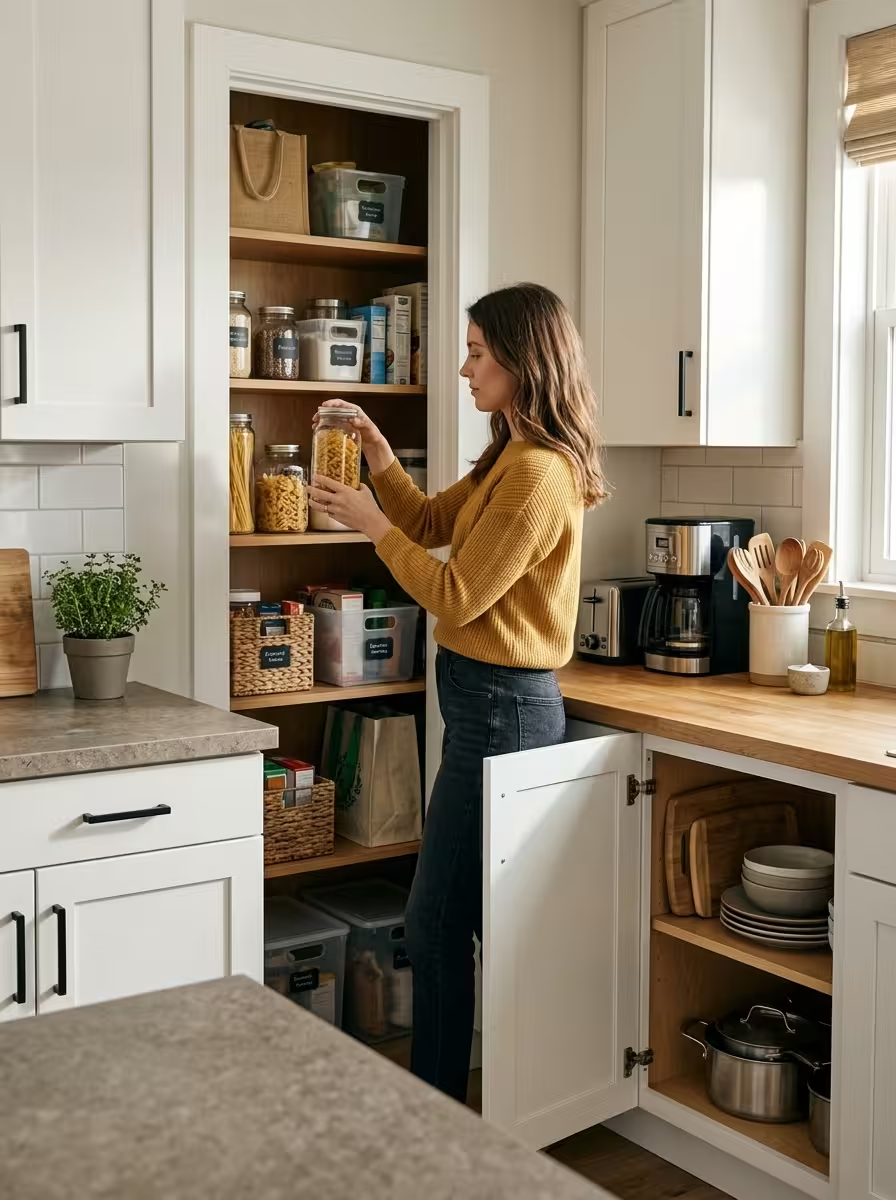
A kitchen can look clean at the end of the day and still feel frustrating to use. When everyday items are difficult to find, countertops become crowded, cabinets become overfilled, and drawers turn into catch-all spaces, even simple cooking tasks can take more time than necessary.
Effective kitchen organization is not about having a perfectly styled room or buying dozens of storage products. It is about creating a practical system that makes frequently used items easy to find, keeps surfaces manageable, and gives everything a logical place.
Whether you have a spacious family kitchen, a compact apartment kitchen, or a small rental with limited storage, thoughtful organization can make the space feel more functional. The key is to organize around the way you actually cook, clean, shop, and use your kitchen every day.
Why Kitchen Organization Matters
An organized kitchen can improve more than appearance. When ingredients, cookware, utensils, and cleaning supplies have designated locations, everyday routines can become easier and less repetitive.
Good kitchen organization can help reduce visual clutter, make food preparation more efficient, improve access to frequently used items, and make it easier to notice what you already have before buying more.
Organization can also make cleaning simpler. Clear countertops are easier to wipe down, while grouped items are generally easier to return to their proper places after cooking.
Start by Decluttering Before You Organize
One of the most useful kitchen organization tips is to avoid organizing items you no longer use. Storage systems work much better when they are built around the things you actually need.
Begin with one area rather than attempting to reorganize the entire kitchen in a single afternoon. A drawer, cabinet, pantry shelf, or countertop section is enough for a first project.
Look for duplicate utensils, unused gadgets, containers without matching lids, expired pantry items, and appliances that rarely leave the cabinet. Items that are damaged or no longer useful can also take up valuable storage space.
Once unnecessary items are removed, you can see how much usable space you really have.
Organize Kitchen Cabinets by Frequency of Use
Kitchen cabinets become easier to manage when items are stored according to how often they are used rather than simply where there happens to be empty space.
Everyday plates, bowls, glasses, and cooking tools should generally be placed in locations that are easy to reach. Less frequently used serving pieces, specialty cookware, and seasonal items can be moved to higher or less accessible storage areas.
Grouping similar items together also reduces unnecessary searching. Instead of spreading cookware across several cabinets, consider creating dedicated zones for pots, pans, baking supplies, dishes, and food-storage containers.
Make Kitchen Drawers Easier to Use
Drawers can quickly become cluttered because small kitchen tools tend to accumulate in the same space. A simple drawer organization system can make a noticeable difference.
Use separate sections for cooking utensils, measuring tools, cutlery, food-preparation accessories, and other small items. Adjustable dividers can be useful when drawer dimensions vary or when your storage needs change over time.
Avoid filling every available inch. Leaving a little breathing room makes it easier to see what is inside and return items after use.
Create a More Functional Pantry
A well-organized pantry can make grocery shopping and meal preparation easier because you can quickly see what is available.
Group pantry staples by category instead of placing everything wherever space is available. Common categories might include breakfast foods, baking ingredients, snacks, grains, canned goods, sauces, spices, and cooking essentials.
Clear containers can help with visibility for frequently used dry ingredients, while labeled bins can keep smaller packages from becoming scattered across shelves.
However, not every food item needs to be transferred into containers. Organization should save time rather than create additional maintenance. Use storage containers selectively for items where they genuinely improve visibility or accessibility.
Use Vertical Space in Small Kitchens
Limited kitchen space does not necessarily mean limited organization options. Walls, cabinet doors, and vertical areas can provide additional storage opportunities.
Depending on the kitchen layout, vertical shelving can help make better use of unused wall space. Cabinet-door organizers can also provide a practical location for lightweight items such as wraps, small cleaning supplies, or frequently used accessories.
When using vertical storage, keep safety and accessibility in mind. Heavy cookware should not be placed in unstable or difficult-to-reach locations.
Keep Countertops Intentionally Clear
Countertop clutter is one of the fastest ways to make a kitchen feel disorganized. Instead of trying to keep everything hidden, decide which items genuinely deserve permanent countertop space.
Frequently used appliances may be convenient to leave accessible, while appliances used only occasionally can usually be stored away.
A small tray can also create a designated home for everyday countertop essentials. Grouping items together makes the area feel more intentional and can make cleaning around them easier.
Build Kitchen Zones Around Daily Tasks
One of the most practical approaches to kitchen organization is creating functional zones. Instead of organizing only by item type, think about where and how different activities happen.
Food Preparation Zone
Keep cutting boards, knives, mixing bowls, measuring tools, and commonly used preparation accessories reasonably close to the main food-preparation area.
Cooking Zone
Pots, pans, cooking utensils, oils, and heat-safe tools are usually easier to use when they are positioned near the stove or primary cooking surface.
Cleaning Zone
Dishwashing and cleaning supplies can be grouped near the sink. Keeping these items together reduces the need to move around the kitchen when cleaning up.
Coffee and Beverage Zone
If coffee or tea is part of your daily routine, consider creating a small beverage station. Keep mugs, coffee or tea supplies, and frequently used accessories together rather than distributing them across multiple cabinets.
Improve Food Storage Container Organization
Food-storage containers are useful but can quickly become one of the messiest parts of a kitchen. The combination of containers and separate lids often creates unnecessary clutter.
Start by matching containers with their lids and removing pieces that no longer have a useful pair. Store containers by size and keep lids together in a dedicated section.
For deeper cabinets, vertical organization can make it easier to see smaller containers without having to remove an entire stack.
Make Refrigerator Organization Part of the System
Kitchen organization should not stop at cabinets and drawers. The refrigerator is another important part of an efficient food-storage system.
Try grouping similar foods together so frequently used ingredients are easier to locate. Keep an eye on foods that need to be used soon and periodically remove expired or spoiled items.
Small bins can help contain loose packages, but avoid overcrowding the refrigerator. Air circulation and visibility are more useful than simply fitting the maximum number of items inside.
Organize Under the Kitchen Sink
The area underneath the sink often becomes a storage space for cleaning products, trash bags, sponges, and miscellaneous supplies.
A compact organization system can divide the space into practical sections. Place frequently used supplies where they are easy to reach and keep products upright whenever possible.
Because this area can be exposed to moisture, periodically check for leaks and avoid storing items in damaged packaging.
Choose Kitchen Storage Products Carefully
Storage accessories can make organization easier, but buying organizers before understanding the space can create even more clutter.
Before purchasing anything, measure the cabinet, drawer, shelf, or pantry area. Consider height as well as width and depth.
Choose storage solutions based on a specific problem. Drawer dividers can help with small utensils, shelf risers can improve visibility in cabinets, and bins can keep similar pantry items together.
The goal is not to fill the kitchen with organizers. The goal is to make the existing space easier to use.
Kitchen Organization Ideas for Small Spaces
Small kitchens benefit from organization systems that prioritize flexibility and accessibility.
- Use vertical storage where appropriate.
- Keep everyday items within easy reach.
- Store occasional-use appliances outside prime cabinet space.
- Use the inside of cabinet doors for lightweight storage.
- Reduce duplicate cookware and utensils.
- Keep countertops limited to genuinely useful items.
- Use stackable storage when it improves visibility.
In a compact kitchen, every storage decision should have a practical purpose. A smaller number of well-organized items can be more useful than a large collection of poorly stored products.
Kitchen Organization Mistakes to Avoid
Even well-intentioned organization projects can create new problems. One common mistake is placing frequently used items in inconvenient locations simply because the arrangement looks cleaner.
Another mistake is creating complicated systems that require too much effort to maintain. If putting something away takes several steps, the system may not survive a busy week.
Overusing containers can also become counterproductive. Storage bins and organizers should solve a specific problem rather than become another category of clutter.
Finally, avoid organizing based entirely on appearance. A kitchen can look beautiful while still being difficult to use. Function should come first.
How to Maintain an Organized Kitchen
Kitchen organization works best when it becomes part of everyday habits rather than a once-a-year cleaning project.
After cooking, return commonly used tools to their designated locations. When groceries arrive, check existing supplies before adding new items. Every few weeks, review areas that tend to become cluttered and make small adjustments.
A short reset at the end of the day can also prevent small amounts of clutter from becoming a much larger project later.
A Simple Kitchen Organization Routine
If your kitchen currently feels overwhelming, start small. Choose one drawer or cabinet and remove everything from it. Clean the space, separate useful items from unnecessary ones, and group the remaining items by function.
Return the most frequently used items to the easiest-to-reach positions. Store occasional-use items farther away, then leave enough open space to make the system easy to maintain.
Once the first area works well, move to the next one. Over time, these small improvements can create a kitchen that feels significantly more functional without requiring a complete renovation.
Final Thoughts
The best kitchen organization system is not necessarily the most elaborate one. It is the system that makes everyday life easier.
Start with decluttering, organize items according to frequency of use, create practical kitchen zones, make better use of vertical space, and choose storage accessories only when they solve a real problem. Whether you are organizing a large family kitchen or a compact apartment kitchen, small changes can improve accessibility and reduce everyday clutter.
A functional kitchen should work with your routine rather than against it. When everything has a logical place, cooking, meal preparation, grocery management, and cleanup can all feel a little simpler.